CARRY WEIGHT. BUILD STRENGTH.
Australia's Rucking Backpack
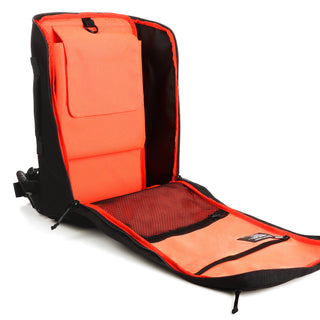
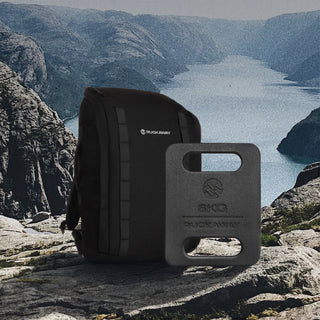
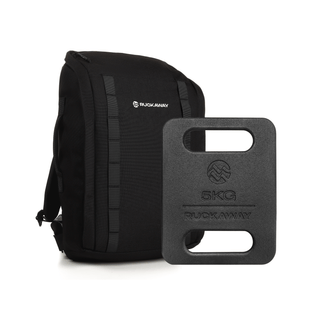
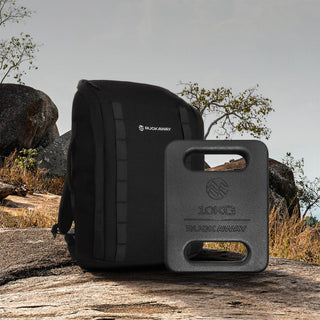
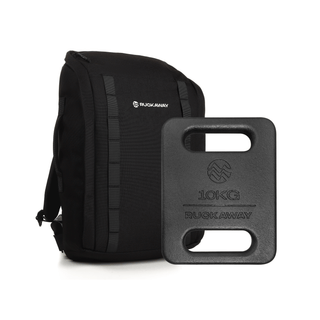
Ruckaway is Australia's purpose-built rucking backpack — engineered for weighted training and load-rated to 30kg.
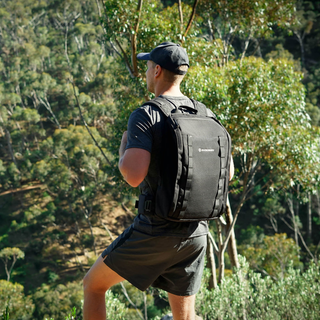
Turn Walks Into Workouts
Walking is already the most underrated form of exercise. Rucking makes it elite.
By adding a weighted pack to your daily walk, you build real strength, burn significantly more calories, and improve your long-term health — all without setting foot in a gym. No complicated programming. No expensive memberships. Just load up, step out, and let every kilometre do the work.
Ruckaway gives you the gear to do it properly, from day one.
WHAT RUCKERS ARE SAYING
I’ve been hauling around a 30kg weighted vest for about 7 years and it absolutely blitzed my shoulders and neck. The Ruckaway is an absolute game changer.
Adrian S.
I’ve used many weight vests and packs, and this is the most comfortable and well put together one I’ve owned.
Joffrid M.
The weights sit close to your spine and don’t pull your centre of gravity backwards making hiking so much easier than a conventional backpack.
Peter S.
I've officially retired my old sand vest (RIP to the chest bruises) and couldn't be happier with the upgrade. It's a total gamechanger!
Natalie L.
As an exercise physiology business, we now recommend Ruckaway to our clients to get more out of their weekly activities — even just walking their dogs!
Max M.
I am 64 & started rucking after reading Peter Attia's OUTLIVE. The quality is excellent, sturdy and comfortable.
Sandreine K.
My wife and I are seniors who use it almost every day. Rucking has transformed our health — stronger backs and core, and better balance.
Brent H.
Every stitch, strap, and buckle feels designed to last. The balance is perfect, the padding is just right — it handles weight comfortably on long walks.
Daniel S.
I had no time for the gym. Now I get the dog walked and a good workout at the same time. No back, hip or shoulder soreness after a fortnight of daily use.
Michael H.
COMPLETE RUCKING KITS
Ruckers in the Wild
WHAT IS RUCKING?
WHAT THE EXPERTS SAY ABOUT RUCKING
I can run, but my knees don’t love it. In the past month, I’ve been rucking instead — hiking or walking with weight on my back — 2-4x per week. I’m astonished by how much I love it.
Tim Ferris
Rucking was found not only to have no association with low back pain, it even helped prevent it. The weight pulls people out of the slumped-over position that’s so common among desk workers.
Michael Easter
I’ve become semiobsessed with rucking. The fifty-to sixty-pound pack on my back makes it quite challenging, so I’m strengthening my legs and my trunk while also getting in a solid cardiovascular session.
Dr Peter Attia
It works your cardio and strength at once — cardio for people who hate to run and lifting for people who hate the gym. Rucking is perhaps the best form of exercise you can do.
Michael Easter
I tend to ruck 1x per week and get the other zone 2 cardio in other ways. I also tend to do real work or listen to podcasts while I do it.
Dr Andrew Huberman
HOW TO START RUCKING
1. GEAR UP
Grab any sturdy backpack to get started. As you progress, upgrade to a dedicated rucking pack for optimal weight distribution and comfort.
2. LOAD 'EM UP
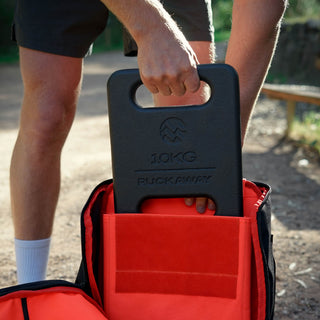
Use rucking weights or any dense, heavy object like textbooks, dumbbells or bricks - wrap unconventional weights in a towel. Start light at 5-10kg.
3. EMBRACE THE MILES
Throw on your loaded pack, maintain upright posture and start rucking. Begin with comfortable distances, gradually increasing weight, speed and mileage.
FREQUENTLY ASKED QUESTIONS
Rucking is walking or hiking with a weighted backpack. By adding resistance to a normal walk, it transforms an everyday activity into a full-body workout that builds strength, burns more calories, and improves cardiovascular fitness simultaneously. No gym, no complicated programming, no expensive memberships. Load up, step outside, and let every kilometre do the work. Our What Is Rucking guide covers everything you need to know.
Yes. Rucking burns significantly more calories than regular walking while remaining low-impact compared to running. At moderate loads, most ruckers see calorie burn roughly double that of an equivalent unloaded walk, and heavier loads push that higher still. It also builds lean muscle that raises your resting metabolic rate, and it's sustainable enough to do consistently, which is what actually produces results. The combination of elevated calorie burn and the muscle-building effect makes it particularly effective for body composition over time. For the full picture, read our rucking for weight loss guide.
Yes. Rucking activates and strengthens multiple major muscle groups including your legs and glutes, core, back, and shoulders. Because you're moving under load for an extended period, it combines a strength stimulus with cardio in a single workout. The load recruits muscles in a way that regular walking doesn't, and over time you'll notice real strength gains particularly in your posterior chain and core. It's not a substitute for dedicated strength training if maximum hypertrophy is your primary goal, but for building functional, full-body strength alongside cardiovascular fitness, it genuinely delivers.
Yes. It's one of the most accessible forms of exercise available because the load is fully adjustable, the pace is entirely self-directed, and the impact is far lower than running. You can start with a light load, walk for 20 minutes, and build from there at whatever rate suits your body. Our beginners guide is the right first stop.
Start light, around 5 to 10% of your bodyweight, and walk at a comfortable pace for 20 to 30 minutes. Focus on posture: chest up, shoulders back, natural stride. Build duration before adding weight. Most people notice a genuine fitness effect within two to three weeks of consistent training. Our step-by-step beginners guide walks through everything from weight selection to progression.
Anywhere you can walk. Suburban footpaths, coastal tracks, bush trails, and parks all work. For inspiration, our guide to the best rucking routes across Australia's five capital cities covers Adelaide, Melbourne, Sydney, Brisbane, and Perth.